
STARRING-MAATAllevamento amatoriale per la selezione dell'Alaskan Malamute
L’allevamento Maat nasce dall’amore e dall’immensa passione per gli Alaskan Malamutes. Questo sito è stato realizzato in particolar modo per rendere pubblica la passione che nutro nei confronti di questa razza e per mostrare l’eccellente qualità dei miei soggetti, ringraziando i rispettivi proprietari che hanno dato il loro contributo per la sua realizzazione.


Ultime Notizie
Le ultime notizie dall'allevamento Starring-Maat Alaskan Malamute.
Buona lettura!
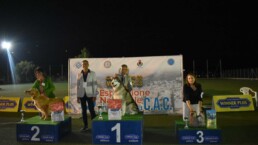
Drogon CAMPIONE ITALIANO VETERANI !!!
Drogon (Multi ch-Starring-Maat Drogon) finisce la sua carriera espositiva a 9 anni in maniera superlativa alla…
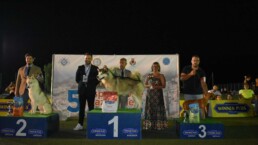
Varis, Riserva Best in Show!!!
Dopo un periodo di assenza dai ring Italiani perché impegnato nei ring di Spagna e Portogallo, il nostro Varis (Multi…
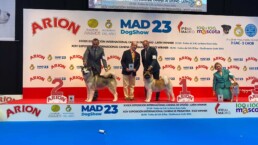
Varis BOB a Madrid 2023 !!!
Varis, Ch-Starringmaat Lord Varis de Kabluna, vince alla 39esima Exposicion Internacional de Otono, LATIN WINNER di…
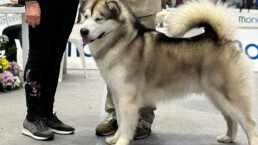
“Hero” Giovane Campione Italiano !!!
Dopo aver conquistato il titolo di Giovane Campione Sloveno, “Hero” (Heavenly Spirit Galant Hero) aggiunge…
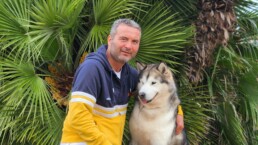
“Maya” Campionessa Italiana Veterana !!!
“Maya” (Starring-Maat paperetta Yè Yè) conclude a 9 anni in grande stile la sua carriera espositiva…
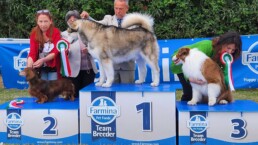
“Drogon” Did It Again BEST IN SHOW Veterani !!!
Seconda esposizione in classe veterani per il nostro ragazzo “Drogon” (Starring-Maat Drogon), secondo CAC…
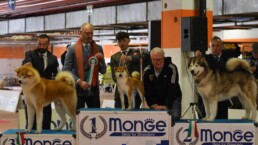
Drogon BEST IN SHOW Veterani !!!
Esordio fantastico in classe veterani per Drogon ( Starring-Maat Drogon) alla nazionale di Modica, non solo miglior…
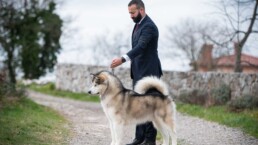
”Hero” Giovane campione Sloveno !!!
Siamo molto orgogliosi di annunciare il primo titolo internazionale di Hero (Sl Jch-Heavenly Spirit Galant Hero) a soli…
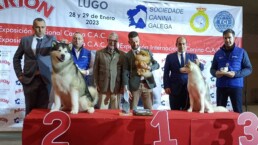
Varis Campione Spagnolo !!!
Ci giungono fantastiche notizie dalla Spagna dove il nostro Varis (CH-It,Sp Starringmaat Lord Varids de kabluna) vince…
Il nostro Team
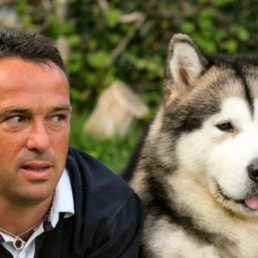
Fabrizio

Francesco
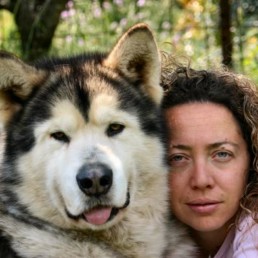
Elvira
